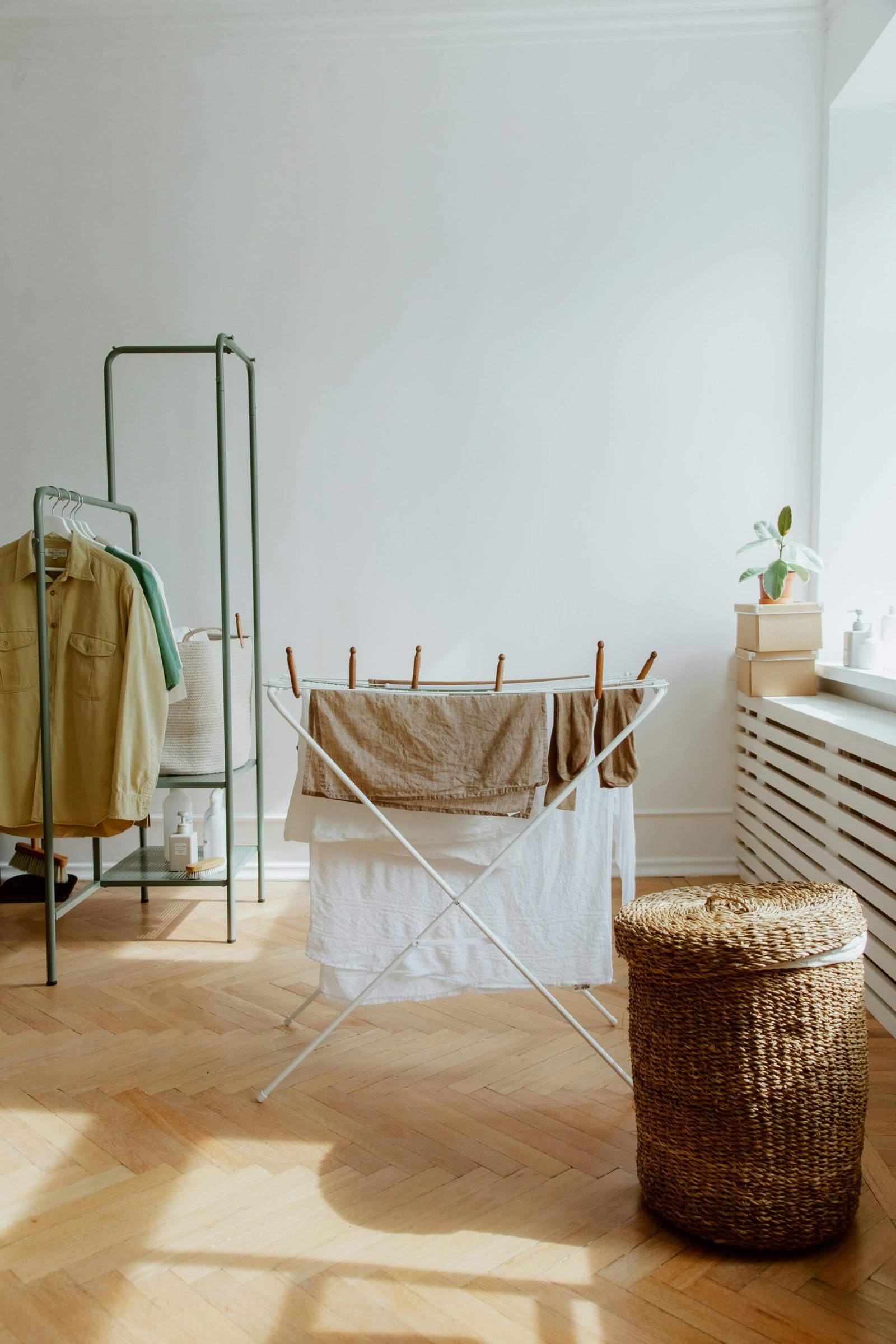
How to Choose the Right Indoor Clothes Drying System for Your Home: A Complete Guide

Why choosing the right system matters

Indoor clothes drying may seem simple, but in UK and Irish homes, it’s not always straightforward. Rainy seasons, limited outdoor space, cold winters, and small apartments all make laundry a challenge.

Choosing the wrong indoor dryer can lead to:

  • Long drying times
  • Musty odours
  • Increased indoor humidity
  • Wasted energy and space

For homeowners and renters alike, selecting a system that fits both space and lifestyle is crucial.


Step 1: Assess your space

The first consideration is the space available.

  • Small flats or apartments may need vertical drying racks or foldable systems.
  • Larger homes can accommodate multi-function drying stations with more airflow and hanging capacity.
  • Consider whether you want a mobile unit that can be moved between rooms, or a fixed system for a laundry or utility room.

πŸ’‘ Tip: Measure the room carefully and consider height as well as floor space. Many UK homes have low ceilings, which may limit tall dryers.


Step 2: Consider the type of drying system

There are three main types of indoor dryers:

  1. Traditional rack-style dryers
    • Cheap, portable, foldable
    • No electricity needed
    • Slower drying in humid weather
  2. Electric or heated dryers
    • Use warm air to accelerate drying
    • Suitable for rainy seasons and winter
    • Some have dual airflow systems for faster results
  3. Multi-function garment care stations
    • Combine drying, steaming, and hanging
    • Useful for delicate fabrics and garments that require wrinkle removal
    • More expensive, but save time and reduce visits to dry cleaners

Step 3: Evaluate drying capacity

Load capacity is essential. A small household of 1–2 people may only need a medium rack, whereas a family of 4–6 will benefit from a larger multi-tier system.

Check manufacturer specifications:

  • Maximum weight supported
  • Number of garments that can be hung simultaneously
  • Whether clothes overlap or have space for airflow

Proper spacing is vital to avoid damp smells and mould.


Step 4: Safety and usability

Safety is particularly important in households with children, elderly, or pets:

  • Automatic shut-off prevents overheating
  • IPX water resistance protects from drips
  • Touch and remote controls reduce bending for seniors or pregnant users

Ease of use is also important: mobility, foldable design, and straightforward setup improve convenience.


Step 5: Consider energy efficiency

Heated dryers and multi-function systems can consume electricity, so:

  • Look for energy-efficient models
  • Check the power rating (e.g., 500–1100W is common for household units)
  • Use timers and smart sensors if available

This ensures cost-effective and environmentally friendly drying.


Recommended product

For UK and Irish households, a touch and remote-controlled indoor drying system is ideal. It combines:

  • Fast drying with dual airflow
  • Multi-tier garment hanging
  • Safety features like auto shut-off and IPX1 water resistance

Newsletter Updates

Enter your email address below and subscribe to our newsletter

Leave a Reply

Your email address will not be published. Required fields are marked *